Buy inkjetfills.com ?
We are moving the project
inkjetfills.com .
Are you interested in purchasing the domain
inkjetfills.com ?
domain@kv-gmbh.de · 0541-91531010
Buy inkjetfills.com ?
What is the printer ink cartridge saving mode?
The printer ink cartridge saving mode is a feature on some printers that allows users to conserve ink by adjusting the printer settings. This mode typically reduces the amount of ink used for printing, such as by printing in draft mode or using less ink for images and graphics. By using the printer ink cartridge saving mode, users can extend the life of their ink cartridges and reduce the frequency of replacing them, ultimately saving money and reducing waste. **
Does the printer not recognize the ink cartridge?
If the printer does not recognize the ink cartridge, it could be due to a few reasons. Firstly, the ink cartridge may not be properly installed or seated in the printer. Secondly, the ink cartridge may be incompatible with the printer model. Lastly, there could be a problem with the printer's software or firmware that is preventing it from recognizing the ink cartridge. It is recommended to double-check the installation of the ink cartridge and ensure it is compatible with the printer. If the issue persists, contacting the printer manufacturer for support may be necessary. **
Similar search terms for Harriman-House-Psychology-of
Top-Angebote
Products related to Harriman-House-Psychology-of:
-
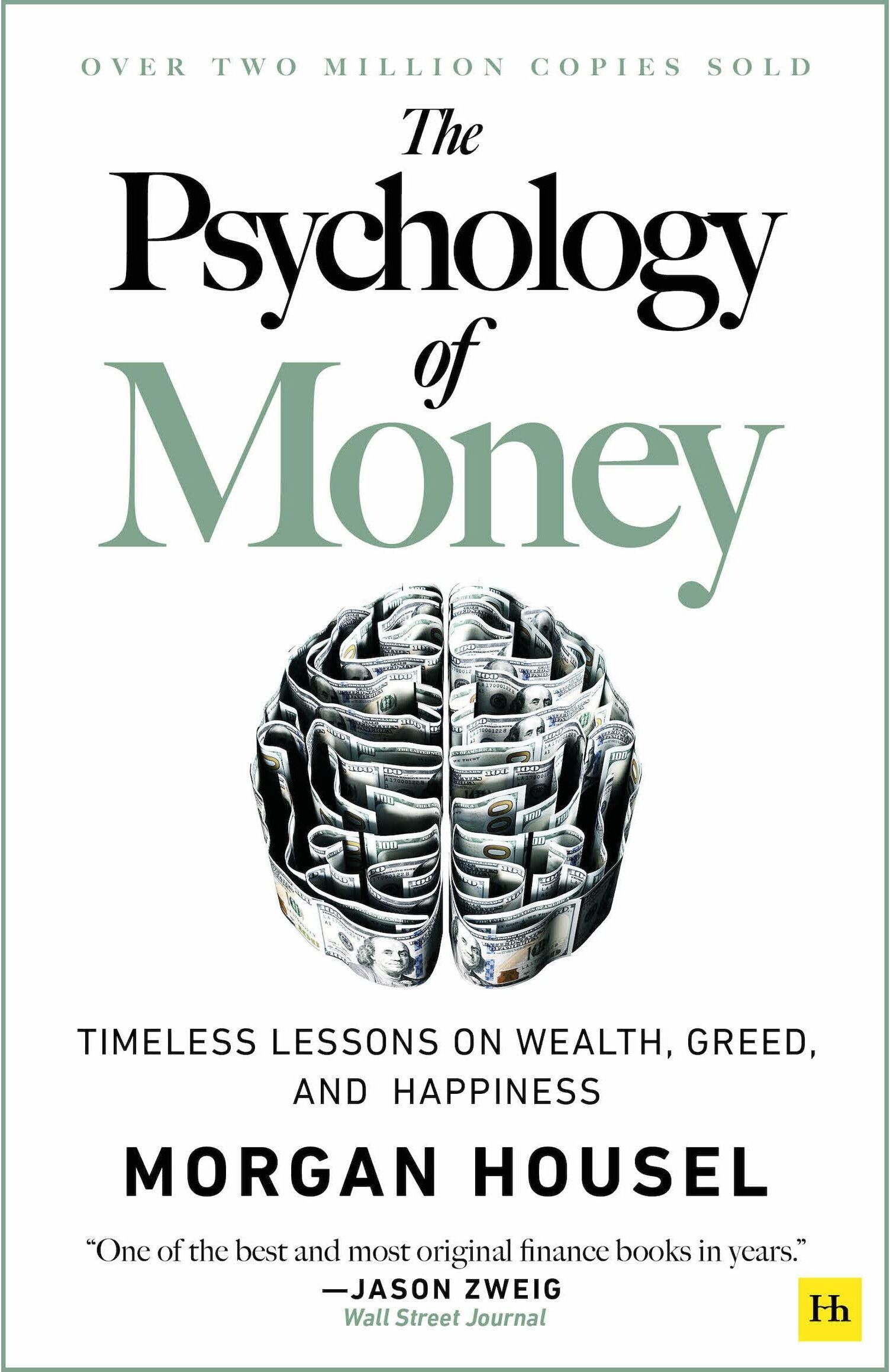
Harriman House The Psychology of Money: Timeless lessons on wealth, greed, and happiness by Morgan HouselDoing well with money isn't necessarily about what you know. It's about how you behave. And behavior is hard to teach, even to really smart people.Money investing, personal finance, and business decisions is typically taught as a math-based field, where data and formulas tell us exactly what to do. But in the real world people don't make financial decisions on a spreadsheet. They make them at the dinner table, or in a meeting room, where personal history, your own unique view of the world, ego, pride, marketing, and odd incentives are scrambled together.In The Psychology of Money, award-winning author Morgan Housel shares 19 short stories exploring the strange ways people think about money and teaches you how to make better sense of one of life's most important topics.10,99 £*Shipping: 2,99 £Secure redirect to the provider
-
Harriman House Same as Ever & The Psychology Of Money 2 Books Collection Set by Morgan HouselTitles in this set:1. Same as Ever2. The Psychology of MoneyDescription:Same as Ever When planning for the future we often ask, “What will the economy be doing this time next year?” Or, “What will be different ten years from now?”But forecasting is hard. The important events that will shape the future are inherently unpredictable.Instead, we should be asking a different question:What will be the same ten years from now?What will be the same one hundred years from now?Knowledge of the things that never change is more useful, and more important, than an uncertain prediction of an unknowable future.In Same As Ever, bestselling author Morgan Housel shares 24 short stories about the ways that life, behaviour, and business will always be the same.Armed with this knowledge of the unchanging, you will have a powerful new ability to think about risk, opportunity, and how to navigate the uncertainty of the future.The Psychology of Money Doing well with money isn't necessarily about what you know. It's about how you behave. And behavior is hard to teach, even to really smart people.Money investing, personal finance, and business decisions is typically taught as a math-based field, where data and formulas tell us exactly what to do. But in the real world people don't make financial decisions on a spreadsheet. They make them at the dinner table, or in a meeting room, where personal history, your own unique view of the world, ego, pride, marketing, and odd incentives are scrambled together.In The Psychology of Money, award-winning author Morgan Housel shares 19 short stories exploring the strange ways people think about money and teaches you how to make better sense of one of life's most important topics.14,50 £*Shipping: 2,99 £Secure redirect to the provider
-
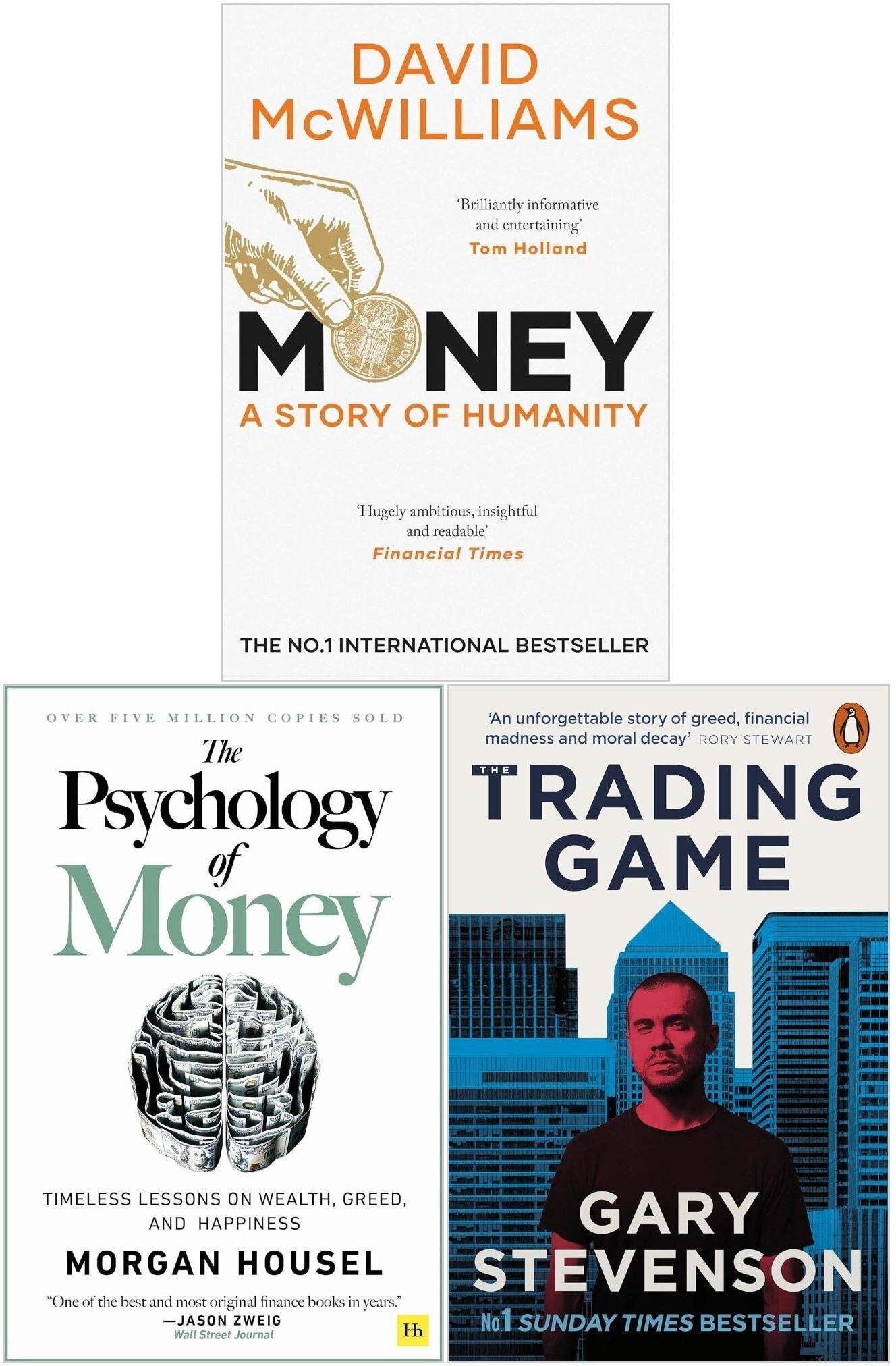
Harriman House Psychology of Money, The Trading Game and Money: A Story of Humanity 3 Books Collection SetPsychology of Money by Morgan Housel Doing well with money isn't necessarily about what you know. It's about how you behave. And behavior is hard to teach, even to really smart people. Money – investing, personal finance, and business decisions – is typically taught as a math-based field, where data and formulas tell us exactly what to do. But in the real world people don't make financial decisions on a spreadsheet. They make them at the dinner table, or in a meeting room, where personal history, your own unique view of the world, ego, pride, marketing, and odd incentives are scrambled together. The Trading Game by Gary Stevenson Ever since he was a kid, kicking broken footballs on the streets of East London in the shadow of Canary Wharf's skyscrapers, Gary wanted something better. Something a whole lot bigger. Then he won a competition run by a bank: 'The Trading Game'. The prize: a golden ticket to a new life, as the youngest trader in the whole city. A place where you could make more money than you'd ever imagined. Where your colleagues are dysfunctional maths geniuses, overfed public schoolboys and borderline psychopaths, yet they start to feel like family. Where soon you're the bank's most profitable trader, dealing in nearly a trillion dollars. A day. Where you dream of numbers in your sleep - and then stop sleeping at all. Money: A Story of Humanity by David McWilliams MONEY. The object of our desires. The engine of our genius. Humanity’s greatest invention. From clay tablets in Mesopotamia to today’s cryptocurrency, global economist David McWilliams takes us on an epic journey of innovation, disruption and transformation that is an astonishing new history of our species. The question is, over 5,000 years, have we changed money – or has money changed us?22,99 £*Shipping: 2,99 £Secure redirect to the provider
-
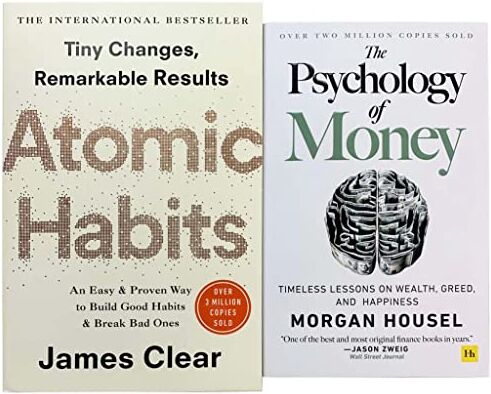
Random House Business/Harriman House ltd Atomic Habits & The Psychology of Money – 2 Books Collection Set Personal Growth, Wealth & Mindset BestsellersAtomic Habits People think that when you want to change your life, you need to think big. But world-renowned habits expert James Clear has discovered another way. He knows that real change comes from the compound effect of hundreds of small decisions: doing two push-ups a day, waking up five minutes early, or holding a single short phone call. He calls them atomic habits. In this ground-breaking book, Clears reveals exactly how these minuscule changes can grow into such life-altering outcomes. He uncovers a handful of simple life hacks (the forgotten art of Habit Stacking, the unexpected power of the Two Minute Rule, or the trick to entering the Goldilocks Zone), and delves into cutting-edge psychology and neuroscience to explain why they matter. Along the way, he tells inspiring stories of Olympic gold medalists, leading CEOs, and distinguished scientists who have used the science of tiny habits to stay productive, motivated, and happy. The Psychology of Money Doing well with money isn't necessarily about what you know. It's about how you behave. And behaviour is hard to teach, even to really smart people. Money investing, personal finance, and business decisions is typically taught as a math-based field, where data and formulas tell us exactly what to do. But in the real world people don't make financial decisions on a spreadsheet. They make them at the dinner table, or in a meeting room, where personal history, your own unique view of the world, ego, pride, marketing, and odd incentives are scrambled together. In The Psychology of Money, award-winning author Morgan Housel shares 19 short stories exploring the strange ways people think about money and teaches you how to make better sense of one of life's most important topics.15,99 £*Shipping: 2,99 £Secure redirect to the provider

-
Why is the ink cartridge of my Epson printer not filling up?
There are a few potential reasons why the ink cartridge of your Epson printer may not be filling up. It could be due to a clogged or blocked ink nozzle, which can prevent the ink from flowing properly. Another possibility is that the cartridge may be improperly installed or not making proper contact with the printer, causing the ink to not be dispensed correctly. Additionally, the ink cartridge itself may be faulty or damaged, leading to issues with filling up. It's best to troubleshoot these potential issues or contact Epson customer support for further assistance. **
-
Is the ink cartridge of the HP printer damaged or not present?
To determine if the ink cartridge of the HP printer is damaged or not present, you can check the printer display panel for any error messages related to the ink cartridge. Additionally, you can open the printer cover and visually inspect the ink cartridge to see if it is installed properly and not damaged. If the ink cartridge is damaged or not present, the printer may not be able to print properly and you may need to replace the cartridge. **
-
How can one study forensic psychology as a subfield of psychology?
To study forensic psychology as a subfield of psychology, one can pursue a bachelor's degree in psychology to gain foundational knowledge. After completing a bachelor's degree, one can enroll in a graduate program specializing in forensic psychology to gain more in-depth knowledge and skills specific to the field. It is also beneficial to seek out internships or research opportunities in forensic psychology settings to gain practical experience and make professional connections in the field. Additionally, obtaining relevant certifications or licenses, such as becoming a licensed psychologist or forensic psychologist, can further enhance one's expertise in this subfield. **
-
Why does a ballpoint pen refill last significantly longer than an ink cartridge?
A ballpoint pen refill lasts longer than an ink cartridge because ballpoint pens use a thicker, oil-based ink that requires less frequent replacement compared to the liquid ink used in cartridges. The ballpoint pen's design also allows for more efficient ink usage as it only dispenses ink when the ballpoint is pressed onto the paper. In contrast, ink cartridges continuously release liquid ink, leading to quicker depletion. **
Why is the printer not printing after the HP printer ink cartridge was refilled?
There could be several reasons why the printer is not printing after refilling the HP ink cartridge. One common issue is that the cartridge was not properly installed back into the printer. Another possibility is that the ink cartridge is not compatible with the printer model. Additionally, air bubbles may have formed in the cartridge during the refilling process, causing printing problems. It is recommended to double-check the installation, ensure compatibility, and try running a cleaning cycle to resolve the issue. **
What kind of psychology should one study in order to study psychology?
One should study general psychology in order to gain a broad understanding of the field. General psychology covers a wide range of topics including cognitive, developmental, social, and abnormal psychology, providing a foundational knowledge of the principles and theories that underpin the discipline. This will allow individuals to explore various areas of psychology and then specialize in a specific subfield based on their interests and career goals. **
Top-Angebote
Products related to Harriman-House-Psychology-of:
-
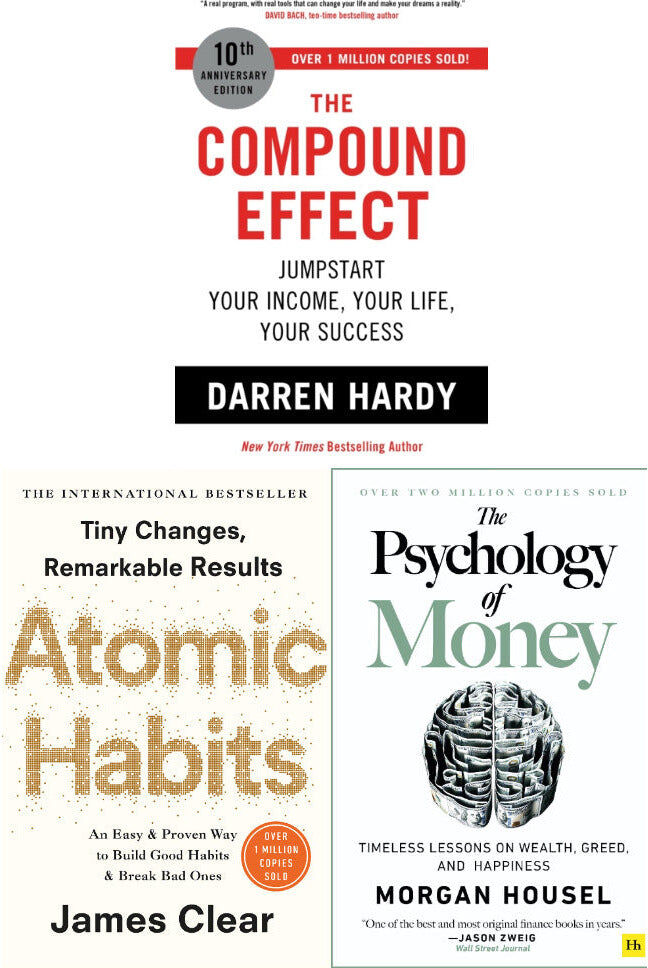
Harriman House Atomic Habits, The Compound Effect, The Psychology of Money 3 Books Collection SetAtomic Habits People think that when you want to change your life, you need to think big. But world-renowned habits expert James Clear has discovered another way. He knows that real change comes from the compound effect of hundreds of small decisions: doing two push-ups a day, waking up five minutes early, or holding a single short phone call. The Compound Effect As the central curator of the success media industry for over 25 years, author Darren Hardy has heard it all, seen it all, and tried most of it. This book reveals the core principles that drive success. The Compound Effect contains the essence of what every superachiever needs to know, practice, and master to obtain extraordinary success. Inside you will find strategies on: How to win--every time! The Psychology of Money Doing well with money isn't necessarily about what you know. It's about how you behave. And behavior is hard to teach, even to really smart people. Money investing, personal finance, and business decisions is typically taught as a math-based field, where data and formulas tell us exactly what to do. But in the real world people don't make financial decisions on a spreadsheet.22,95 £*Shipping: 2,99 £Secure redirect to the provider
-
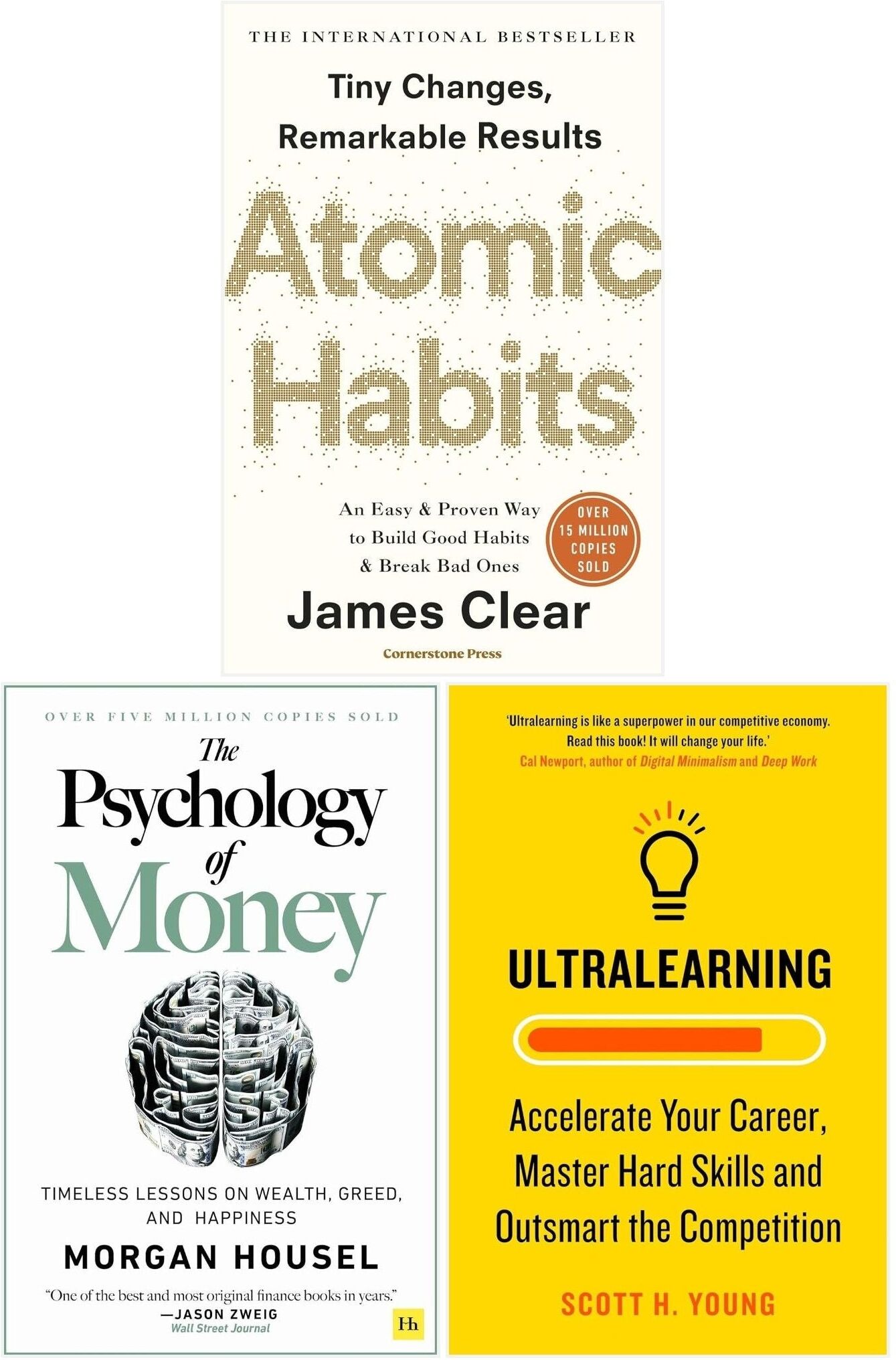
Thorsons/Cornerstone/Harriman House Ultralearning, Atomic Habits and The Psychology of Money 3 Books SetUltralearning Future-proof your career and maximize your competitive advantage by learning the skill necessary to stay relevant, reinvent yourself, and adapt to whatever the workplace throws your way in this essential guide. Faced with tumultuous economic times and rapid technological change, staying ahead in your career depends on continual learning―a lifelong mastery of new ideas, subjects, and skills. If you want to accomplish more and stand apart from everyone else, you need to become an ultralearner. Atomic Habits Transform your life with tiny changes in behaviour, starting now. People think that when you want to change your life, you need to think big. But world-renowned habits expert James Clear has discovered another way. He knows that real change comes from the compound effect of hundreds of small decisions: doing two push-ups a day, waking up five minutes early, or holding a single short phone call. The Psychology of Money Doing well with money isn't necessarily about what you know. It's about how you behave. And behavior is hard to teach, even to really smart people. Money investing, personal finance, and business decisions is typically taught as a math-based field, where data and formulas tell us exactly what to do. But in the real world people don't make financial decisions on a spreadsheet. They make them at the dinner table, or in a meeting room, where personal history, your own unique view of the world, ego, pride, marketing, and odd incentives are scrambled together.29,99 £*Shipping: 2,99 £Secure redirect to the provider
-
Harriman House The Psychology of Money: Timeless lessons on wealth, greed, and happiness by Morgan HouselDoing well with money isn't necessarily about what you know. It's about how you behave. And behavior is hard to teach, even to really smart people.Money investing, personal finance, and business decisions is typically taught as a math-based field, where data and formulas tell us exactly what to do. But in the real world people don't make financial decisions on a spreadsheet. They make them at the dinner table, or in a meeting room, where personal history, your own unique view of the world, ego, pride, marketing, and odd incentives are scrambled together.In The Psychology of Money, award-winning author Morgan Housel shares 19 short stories exploring the strange ways people think about money and teaches you how to make better sense of one of life's most important topics.10,99 £*Shipping: 2,99 £Secure redirect to the provider
-
Harriman House Same as Ever & The Psychology Of Money 2 Books Collection Set by Morgan HouselTitles in this set:1. Same as Ever2. The Psychology of MoneyDescription:Same as Ever When planning for the future we often ask, “What will the economy be doing this time next year?” Or, “What will be different ten years from now?”But forecasting is hard. The important events that will shape the future are inherently unpredictable.Instead, we should be asking a different question:What will be the same ten years from now?What will be the same one hundred years from now?Knowledge of the things that never change is more useful, and more important, than an uncertain prediction of an unknowable future.In Same As Ever, bestselling author Morgan Housel shares 24 short stories about the ways that life, behaviour, and business will always be the same.Armed with this knowledge of the unchanging, you will have a powerful new ability to think about risk, opportunity, and how to navigate the uncertainty of the future.The Psychology of Money Doing well with money isn't necessarily about what you know. It's about how you behave. And behavior is hard to teach, even to really smart people.Money investing, personal finance, and business decisions is typically taught as a math-based field, where data and formulas tell us exactly what to do. But in the real world people don't make financial decisions on a spreadsheet. They make them at the dinner table, or in a meeting room, where personal history, your own unique view of the world, ego, pride, marketing, and odd incentives are scrambled together.In The Psychology of Money, award-winning author Morgan Housel shares 19 short stories exploring the strange ways people think about money and teaches you how to make better sense of one of life's most important topics.14,50 £*Shipping: 2,99 £Secure redirect to the provider
-
What is the printer ink cartridge saving mode?
The printer ink cartridge saving mode is a feature on some printers that allows users to conserve ink by adjusting the printer settings. This mode typically reduces the amount of ink used for printing, such as by printing in draft mode or using less ink for images and graphics. By using the printer ink cartridge saving mode, users can extend the life of their ink cartridges and reduce the frequency of replacing them, ultimately saving money and reducing waste. **
-
Does the printer not recognize the ink cartridge?
If the printer does not recognize the ink cartridge, it could be due to a few reasons. Firstly, the ink cartridge may not be properly installed or seated in the printer. Secondly, the ink cartridge may be incompatible with the printer model. Lastly, there could be a problem with the printer's software or firmware that is preventing it from recognizing the ink cartridge. It is recommended to double-check the installation of the ink cartridge and ensure it is compatible with the printer. If the issue persists, contacting the printer manufacturer for support may be necessary. **
-
Why is the ink cartridge of my Epson printer not filling up?
There are a few potential reasons why the ink cartridge of your Epson printer may not be filling up. It could be due to a clogged or blocked ink nozzle, which can prevent the ink from flowing properly. Another possibility is that the cartridge may be improperly installed or not making proper contact with the printer, causing the ink to not be dispensed correctly. Additionally, the ink cartridge itself may be faulty or damaged, leading to issues with filling up. It's best to troubleshoot these potential issues or contact Epson customer support for further assistance. **
-
Is the ink cartridge of the HP printer damaged or not present?
To determine if the ink cartridge of the HP printer is damaged or not present, you can check the printer display panel for any error messages related to the ink cartridge. Additionally, you can open the printer cover and visually inspect the ink cartridge to see if it is installed properly and not damaged. If the ink cartridge is damaged or not present, the printer may not be able to print properly and you may need to replace the cartridge. **
Similar search terms for Harriman-House-Psychology-of
-
Harriman House Psychology of Money, The Trading Game and Money: A Story of Humanity 3 Books Collection SetPsychology of Money by Morgan Housel Doing well with money isn't necessarily about what you know. It's about how you behave. And behavior is hard to teach, even to really smart people. Money – investing, personal finance, and business decisions – is typically taught as a math-based field, where data and formulas tell us exactly what to do. But in the real world people don't make financial decisions on a spreadsheet. They make them at the dinner table, or in a meeting room, where personal history, your own unique view of the world, ego, pride, marketing, and odd incentives are scrambled together. The Trading Game by Gary Stevenson Ever since he was a kid, kicking broken footballs on the streets of East London in the shadow of Canary Wharf's skyscrapers, Gary wanted something better. Something a whole lot bigger. Then he won a competition run by a bank: 'The Trading Game'. The prize: a golden ticket to a new life, as the youngest trader in the whole city. A place where you could make more money than you'd ever imagined. Where your colleagues are dysfunctional maths geniuses, overfed public schoolboys and borderline psychopaths, yet they start to feel like family. Where soon you're the bank's most profitable trader, dealing in nearly a trillion dollars. A day. Where you dream of numbers in your sleep - and then stop sleeping at all. Money: A Story of Humanity by David McWilliams MONEY. The object of our desires. The engine of our genius. Humanity’s greatest invention. From clay tablets in Mesopotamia to today’s cryptocurrency, global economist David McWilliams takes us on an epic journey of innovation, disruption and transformation that is an astonishing new history of our species. The question is, over 5,000 years, have we changed money – or has money changed us?22,99 £*Shipping: 2,99 £Secure redirect to the provider
-
Random House Business/Harriman House ltd Atomic Habits & The Psychology of Money – 2 Books Collection Set Personal Growth, Wealth & Mindset BestsellersAtomic Habits People think that when you want to change your life, you need to think big. But world-renowned habits expert James Clear has discovered another way. He knows that real change comes from the compound effect of hundreds of small decisions: doing two push-ups a day, waking up five minutes early, or holding a single short phone call. He calls them atomic habits. In this ground-breaking book, Clears reveals exactly how these minuscule changes can grow into such life-altering outcomes. He uncovers a handful of simple life hacks (the forgotten art of Habit Stacking, the unexpected power of the Two Minute Rule, or the trick to entering the Goldilocks Zone), and delves into cutting-edge psychology and neuroscience to explain why they matter. Along the way, he tells inspiring stories of Olympic gold medalists, leading CEOs, and distinguished scientists who have used the science of tiny habits to stay productive, motivated, and happy. The Psychology of Money Doing well with money isn't necessarily about what you know. It's about how you behave. And behaviour is hard to teach, even to really smart people. Money investing, personal finance, and business decisions is typically taught as a math-based field, where data and formulas tell us exactly what to do. But in the real world people don't make financial decisions on a spreadsheet. They make them at the dinner table, or in a meeting room, where personal history, your own unique view of the world, ego, pride, marketing, and odd incentives are scrambled together. In The Psychology of Money, award-winning author Morgan Housel shares 19 short stories exploring the strange ways people think about money and teaches you how to make better sense of one of life's most important topics.15,99 £*Shipping: 2,99 £Secure redirect to the provider
-
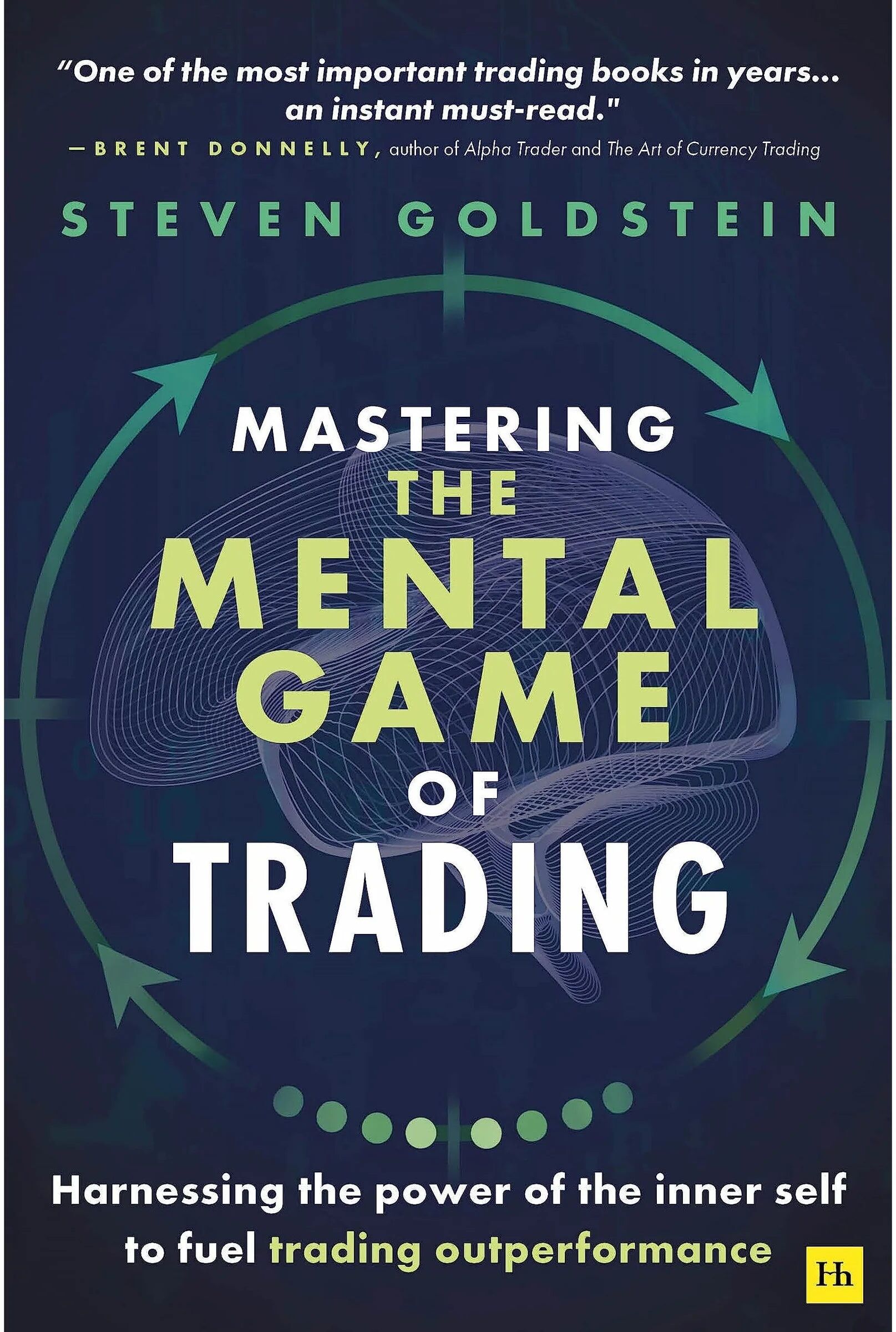
Harriman House Mastering the Mental Game of Trading by Steven Goldstein - Paperback - Trading Psychology Book for Adult TradersMastering the Mental Game of Trading is a candid, experience-led guide to the psychology behind trading success, written by renowned performance coach Steven Goldstein. Drawing on decades spent inside investment banks and years coaching professional traders, Goldstein shows how attitudes, biases, and unconscious habits quietly undermine performance. This paperback is built for traders who already understand strategy and charts but want to master the one variable that decides whether good ideas actually get executed under pressure: the mind. Trading looks like a battle of numbers, but Goldstein argues it is really a battle of self-awareness. Through relatable stories drawn from real traders he has coached, the book uncovers the subtle misconceptions and emotional traps that sabotage even experienced market operators — chasing losses, hesitating on winners, overreacting to setbacks.18,99 £*Shipping: 2,99 £Secure redirect to the provider
-
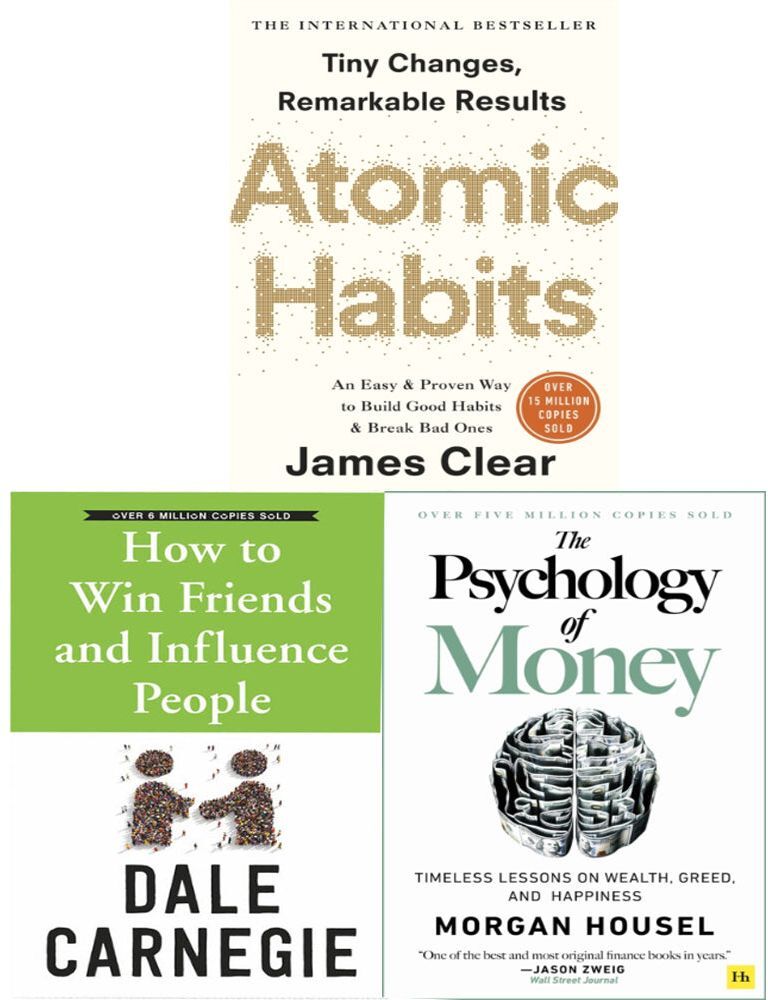
Harriman House How to Win Friends and Influence People, Atomic Habits, Psychology of Money 3 Books Collection SetHow to Win Friends and Influence People, Atomic Habits, Psychology of Money 3 Books Collection Set Description How to Win Friends and Influence People The most famous confidence-boosting book ever published; with sales of over 16 million copies worldwide Millions of people around the world have improved their lives based on the teachings of Dale Carnegie. In How to Win Friends and Influence People, he offers practical advice and techniques, in his exuberant and conversational style, for how to get out of a mental rut and make life more rewarding. Atomic Habits : the life-changing THE PHENOMENAL INTERNATIONAL BESTSELLER: OVER 15 MILLION COPIES SOLD WORLDWIDETransform your life with tiny changes in behaviour, starting now. People think that when you want to change your life, you need to think big. But world-renowned habits expert James Clear has discovered another way. He knows that real change comes from the compound effect of hundreds of small decisions: doing two push-ups a day, waking up five minutes early, or holding a single short phone call. He calls them atomic habits. In this ground-breaking book, Clears reveals exactly how these minuscule changes can grow into such life-altering outcomes. He uncovers a handful of simple life hacks (the forgotten art of Habit Stacking, the unexpected power of the Two Minute Rule, or the trick to entering the Goldilocks Zone), and delves into cutting-edge psychology and neuroscience to explain why they matter. Along the way, he tells inspiring stories of Olympic gold medalists, leading CEOs, and distinguished scientists who have used the science of tiny habits to stay productive, motivated, and happy. These small changes will have a revolutionary effect on your career, your relationships, and your life The Psychology of Money: Timeless lessons on wealth, greed, and happiness by Morgan Housel Doing well with money isn't necessarily about what you know. It's about how you behave. And behavior is hard to teach, even to really smart people. Money investing, personal finance, and business decisions is typically taught as a math-based field, where data and formulas tell us exactly what to do. But in the real world people don't make financial decisions on a spreadsheet. They make them at the dinner table, or in a meeting room, where personal history, your own unique view of the world, ego, pride, marketing, and odd incentives are scrambled together. In The Psychology of Money, award-winning author Morgan Housel shares 19 short stories exploring the strange ways people think about money and teaches you how to make better sense of one of life's most important topics.23,95 £*Shipping: 2,99 £Secure redirect to the provider
-
How can one study forensic psychology as a subfield of psychology?
To study forensic psychology as a subfield of psychology, one can pursue a bachelor's degree in psychology to gain foundational knowledge. After completing a bachelor's degree, one can enroll in a graduate program specializing in forensic psychology to gain more in-depth knowledge and skills specific to the field. It is also beneficial to seek out internships or research opportunities in forensic psychology settings to gain practical experience and make professional connections in the field. Additionally, obtaining relevant certifications or licenses, such as becoming a licensed psychologist or forensic psychologist, can further enhance one's expertise in this subfield. **
-
Why does a ballpoint pen refill last significantly longer than an ink cartridge?
A ballpoint pen refill lasts longer than an ink cartridge because ballpoint pens use a thicker, oil-based ink that requires less frequent replacement compared to the liquid ink used in cartridges. The ballpoint pen's design also allows for more efficient ink usage as it only dispenses ink when the ballpoint is pressed onto the paper. In contrast, ink cartridges continuously release liquid ink, leading to quicker depletion. **
-
Why is the printer not printing after the HP printer ink cartridge was refilled?
There could be several reasons why the printer is not printing after refilling the HP ink cartridge. One common issue is that the cartridge was not properly installed back into the printer. Another possibility is that the ink cartridge is not compatible with the printer model. Additionally, air bubbles may have formed in the cartridge during the refilling process, causing printing problems. It is recommended to double-check the installation, ensure compatibility, and try running a cleaning cycle to resolve the issue. **
-
What kind of psychology should one study in order to study psychology?
One should study general psychology in order to gain a broad understanding of the field. General psychology covers a wide range of topics including cognitive, developmental, social, and abnormal psychology, providing a foundational knowledge of the principles and theories that underpin the discipline. This will allow individuals to explore various areas of psychology and then specialize in a specific subfield based on their interests and career goals. **
* All prices are inclusive of VAT and, if applicable, plus shipping costs. The offer information is based on the details provided by the respective shop and is updated through automated processes. Real-time updates do not occur, so deviations can occur in individual cases. ** Note: Parts of this content were created by AI.