Buy inkjetfills.com ?
We are moving the project
inkjetfills.com .
Are you interested in purchasing the domain
inkjetfills.com ?
domain@kv-gmbh.de · 0541-91531010
Buy inkjetfills.com ?
How can you save ink by reducing the DPI?
You can save ink by reducing the DPI (dots per inch) because lower DPI settings will result in less ink being used to print each page. When you reduce the DPI, the printer will use fewer dots to create the image, resulting in lighter and less detailed prints. This can be particularly useful for printing drafts or documents that do not require high-resolution images. However, it's important to note that reducing the DPI too much can result in a lower quality print, so it's important to find a balance between saving ink and maintaining print quality. **
How do you operate the folding knife Vigor V4651?
To operate the folding knife Vigor V4651, first, locate the thumb stud on the blade and use your thumb to push it outward until the blade is fully extended. To close the blade, push the liner lock to the side to release the blade, then carefully fold it back into the handle. Make sure to handle the knife with caution and always keep your fingers away from the blade when opening and closing it. **

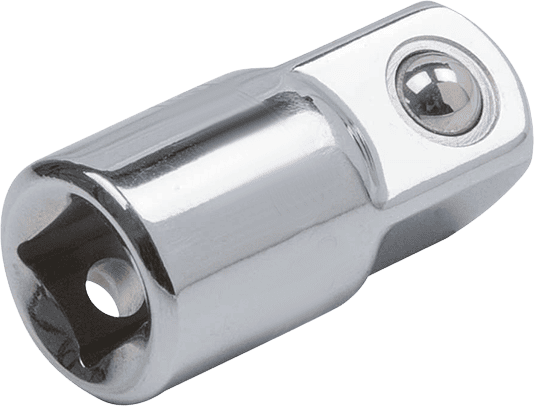
Similar search terms for VIGOR-V2109-Reducing-Adapter
Top-Angebote
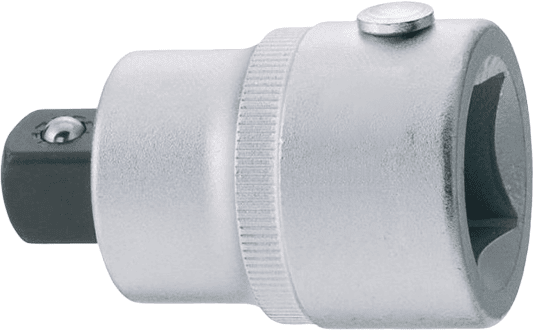
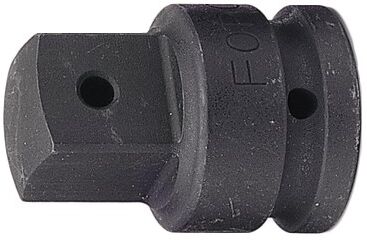
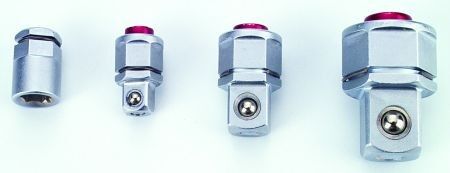
Products related to VIGOR-V2109-Reducing-Adapter:

-
How can reducing and non-reducing sugars be detected?
Reducing sugars can be detected using Benedict's test, in which the reducing sugar is heated with Benedict's reagent and a color change from blue to green, yellow, orange, or red indicates the presence of reducing sugars. Non-reducing sugars can be detected by first hydrolyzing them into reducing sugars using acid hydrolysis, and then performing the Benedict's test to detect the presence of reducing sugars. Another method to detect reducing and non-reducing sugars is through chromatography, where the sugars are separated based on their interactions with a stationary phase and a mobile phase, and then visualized using specific detection methods. **
-
What is the printer ink cartridge saving mode?
The printer ink cartridge saving mode is a feature on some printers that allows users to conserve ink by adjusting the printer settings. This mode typically reduces the amount of ink used for printing, such as by printing in draft mode or using less ink for images and graphics. By using the printer ink cartridge saving mode, users can extend the life of their ink cartridges and reduce the frequency of replacing them, ultimately saving money and reducing waste. **
-
Does the printer not recognize the ink cartridge?
If the printer does not recognize the ink cartridge, it could be due to a few reasons. Firstly, the ink cartridge may not be properly installed or seated in the printer. Secondly, the ink cartridge may be incompatible with the printer model. Lastly, there could be a problem with the printer's software or firmware that is preventing it from recognizing the ink cartridge. It is recommended to double-check the installation of the ink cartridge and ensure it is compatible with the printer. If the issue persists, contacting the printer manufacturer for support may be necessary. **
-
When is sugar reducing?
Sugar is reducing when it undergoes a chemical reaction that breaks down its molecular structure, resulting in a decrease in its overall concentration. This reduction can occur when sugar is heated, such as when caramelizing sugar to make caramel, or when sugar is fermented by yeast to produce alcohol. Additionally, sugar can also be reduced through enzymatic reactions, where enzymes break down sugar molecules into simpler forms. **
Are halogens reducing agents?
No, halogens are not reducing agents. In chemical reactions, reducing agents are substances that donate electrons to other reactants, causing them to be reduced. Halogens, on the other hand, are highly electronegative elements that tend to gain electrons rather than lose them, making them more likely to act as oxidizing agents. **
What are reducing sugars?
Reducing sugars are a type of sugar that have the ability to reduce other substances, particularly by donating electrons. This is due to the presence of a free aldehyde or ketone group in their chemical structure. Common examples of reducing sugars include glucose, fructose, and maltose. When reducing sugars react with certain compounds, they can cause a color change, such as in the Benedict's test for detecting the presence of reducing sugars. **
Top-Angebote
Products related to VIGOR-V2109-Reducing-Adapter:
-
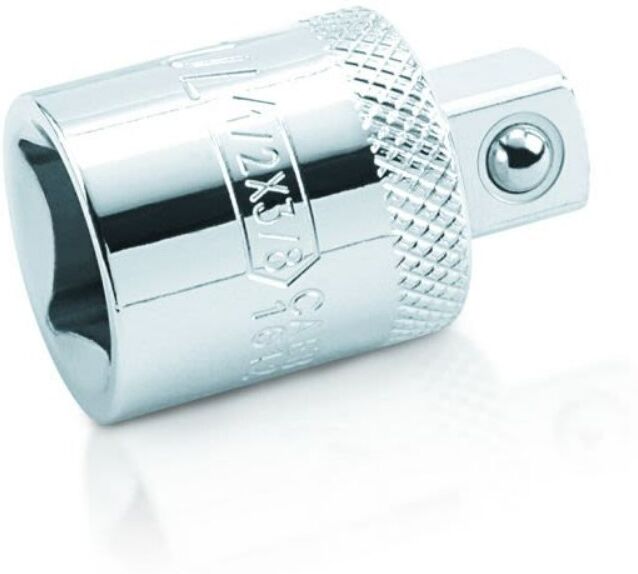
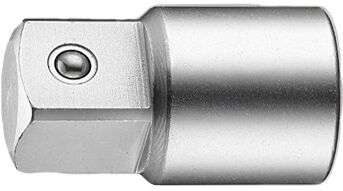
VIGOR V2109 Reducing Adapter, ratchetLength 2 [mm]: 36; Hex drive tang dim. [mm (in)]: 10 (3/8); Operating Mode: Manual (hand operated); Square Drive Tang Size [mm (inch)]: 12.5 (1/2); Drive side (profile): Rectangle; Supplementary Info: Adapter 16,99 £*Shipping: 8,45 £Secure redirect to the provider
-
VIGOR V2111 Increasing Adapter, ratchetLength 2 [mm]: 50; Hex drive tang dim. [mm (in)]: 12.5 (1/2); Operating Mode: Manual (hand operated); Square Drive Tang Size [mm (inch)]: 20 (3/4); Drive side (profile): Rectangle; Supplementary Info: Adapter 115,99 £*Shipping: 8,45 £Secure redirect to the provider
-
How can you save ink by reducing the DPI?
You can save ink by reducing the DPI (dots per inch) because lower DPI settings will result in less ink being used to print each page. When you reduce the DPI, the printer will use fewer dots to create the image, resulting in lighter and less detailed prints. This can be particularly useful for printing drafts or documents that do not require high-resolution images. However, it's important to note that reducing the DPI too much can result in a lower quality print, so it's important to find a balance between saving ink and maintaining print quality. **
-
How do you operate the folding knife Vigor V4651?
To operate the folding knife Vigor V4651, first, locate the thumb stud on the blade and use your thumb to push it outward until the blade is fully extended. To close the blade, push the liner lock to the side to release the blade, then carefully fold it back into the handle. Make sure to handle the knife with caution and always keep your fingers away from the blade when opening and closing it. **
-
How can reducing and non-reducing sugars be detected?
Reducing sugars can be detected using Benedict's test, in which the reducing sugar is heated with Benedict's reagent and a color change from blue to green, yellow, orange, or red indicates the presence of reducing sugars. Non-reducing sugars can be detected by first hydrolyzing them into reducing sugars using acid hydrolysis, and then performing the Benedict's test to detect the presence of reducing sugars. Another method to detect reducing and non-reducing sugars is through chromatography, where the sugars are separated based on their interactions with a stationary phase and a mobile phase, and then visualized using specific detection methods. **
-
What is the printer ink cartridge saving mode?
The printer ink cartridge saving mode is a feature on some printers that allows users to conserve ink by adjusting the printer settings. This mode typically reduces the amount of ink used for printing, such as by printing in draft mode or using less ink for images and graphics. By using the printer ink cartridge saving mode, users can extend the life of their ink cartridges and reduce the frequency of replacing them, ultimately saving money and reducing waste. **
Similar search terms for VIGOR-V2109-Reducing-Adapter
-
Does the printer not recognize the ink cartridge?
If the printer does not recognize the ink cartridge, it could be due to a few reasons. Firstly, the ink cartridge may not be properly installed or seated in the printer. Secondly, the ink cartridge may be incompatible with the printer model. Lastly, there could be a problem with the printer's software or firmware that is preventing it from recognizing the ink cartridge. It is recommended to double-check the installation of the ink cartridge and ensure it is compatible with the printer. If the issue persists, contacting the printer manufacturer for support may be necessary. **
-
When is sugar reducing?
Sugar is reducing when it undergoes a chemical reaction that breaks down its molecular structure, resulting in a decrease in its overall concentration. This reduction can occur when sugar is heated, such as when caramelizing sugar to make caramel, or when sugar is fermented by yeast to produce alcohol. Additionally, sugar can also be reduced through enzymatic reactions, where enzymes break down sugar molecules into simpler forms. **
-
Are halogens reducing agents?
No, halogens are not reducing agents. In chemical reactions, reducing agents are substances that donate electrons to other reactants, causing them to be reduced. Halogens, on the other hand, are highly electronegative elements that tend to gain electrons rather than lose them, making them more likely to act as oxidizing agents. **
-
What are reducing sugars?
Reducing sugars are a type of sugar that have the ability to reduce other substances, particularly by donating electrons. This is due to the presence of a free aldehyde or ketone group in their chemical structure. Common examples of reducing sugars include glucose, fructose, and maltose. When reducing sugars react with certain compounds, they can cause a color change, such as in the Benedict's test for detecting the presence of reducing sugars. **
* All prices are inclusive of VAT and, if applicable, plus shipping costs. The offer information is based on the details provided by the respective shop and is updated through automated processes. Real-time updates do not occur, so deviations can occur in individual cases. ** Note: Parts of this content were created by AI.