Buy inkjetfills.com ?
We are moving the project
inkjetfills.com .
Are you interested in purchasing the domain
inkjetfills.com ?
domain@kv-gmbh.de · 0541-91531010
Buy inkjetfills.com ?
What is low voltage?
Low voltage refers to an electrical system or device that operates at a lower voltage level than standard household or industrial power systems. In the United States, low voltage is typically defined as any voltage below 50 volts, although this can vary depending on the specific application. Low voltage systems are commonly used in electronics, telecommunications, and control systems, and they are generally considered to be safer than higher voltage systems. **
What does low voltage mean?
Low voltage refers to an electrical system or device that operates at a lower voltage level than the standard voltage level in a particular region. In the United States, low voltage typically refers to systems or devices that operate at 50 volts or less. Low voltage systems are generally safer to work with compared to high voltage systems, as they pose a lower risk of electric shock. **
Similar search terms for Omni-Station-Low-Voltage
Top-Angebote
Products related to Omni-Station-Low-Voltage:
-
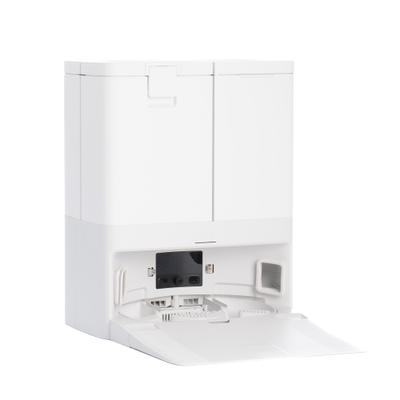
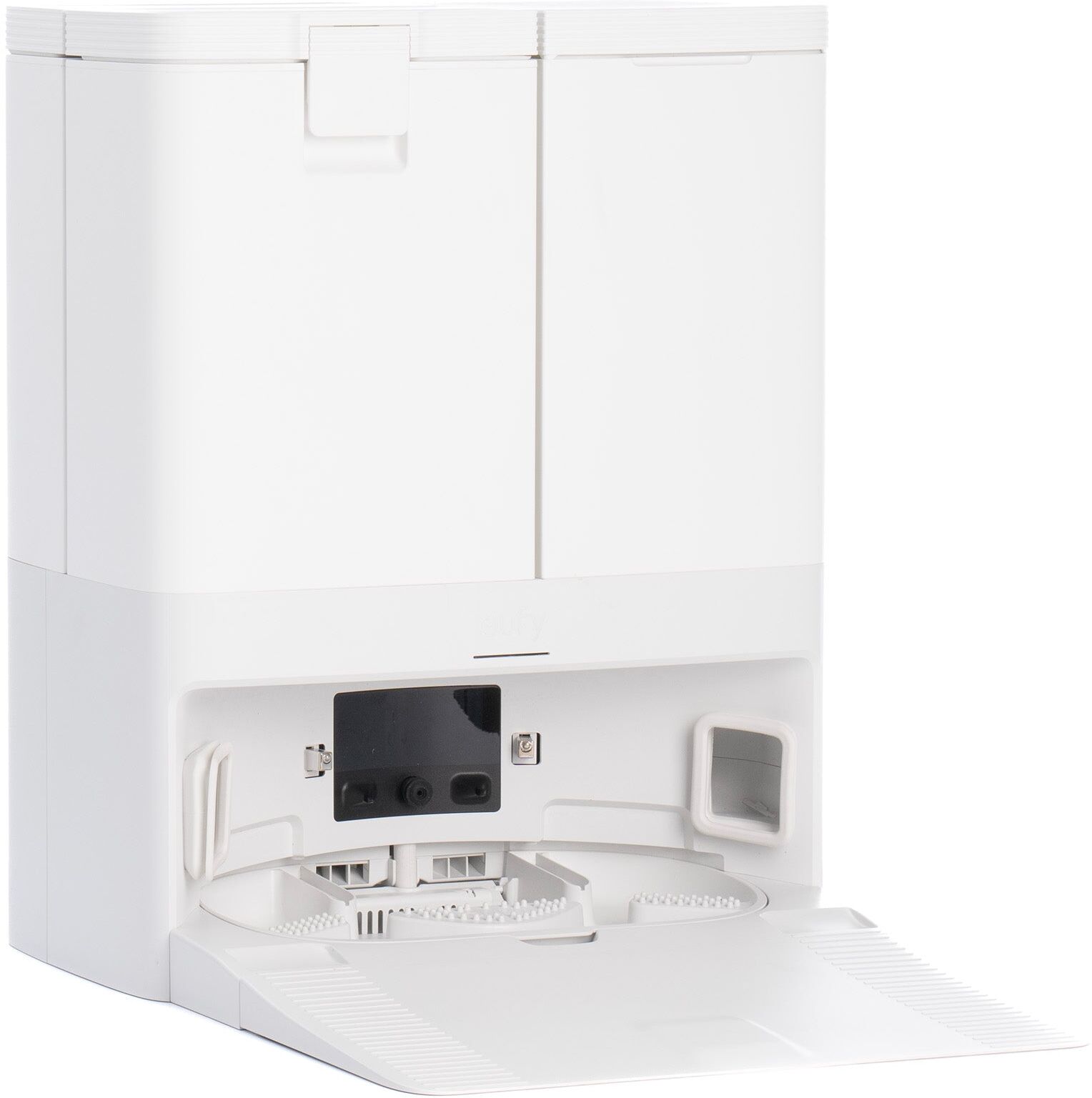
S1 Pro Station (Low Voltage)S1 Pro Station 1000W (Low Votage) Product Description This listing features the S1 Pro 1000W base station, identifiable by its distinct hexagonal filter design at the bottom (as shown in product images). With enhanced suction power and optimized...539,99 $*Shipping: 0,00 $Secure redirect to the provider



-
Is the voltage too low?
To determine if the voltage is too low, you should first check the recommended voltage range for the specific device or equipment in question. If the voltage falls below this range, it could potentially be too low and may result in the device not functioning properly. It is important to ensure that the voltage is within the specified range to avoid any damage or malfunction. If you are unsure, it is recommended to consult with a professional electrician to assess the situation and make any necessary adjustments. **
-
What is the meaning of high voltage and low voltage?
High voltage refers to an electrical potential difference that is significantly higher than the standard voltage levels, typically above 1000 volts. It is commonly used in power transmission and distribution to reduce energy losses over long distances. On the other hand, low voltage refers to a lower electrical potential difference, usually below 1000 volts, and is commonly used in household appliances and electronics. The distinction between high voltage and low voltage is important for safety reasons and to ensure the proper functioning of electrical systems. **
-
What is the difference between low voltage and high voltage?
The main difference between low voltage and high voltage is the amount of electrical potential difference between two points. Low voltage typically refers to electrical systems with a potential difference of 50-1000 volts, while high voltage refers to systems with a potential difference of 1000 volts or more. High voltage systems are used for long-distance power transmission and in industrial applications, while low voltage systems are commonly found in residential and commercial buildings for lighting, appliances, and other electrical devices. Additionally, high voltage systems require more insulation and safety precautions due to the increased risk of electrical shock and arcing. **
-
What is the maximum voltage drop in low-voltage networks?
The maximum voltage drop in low-voltage networks is typically limited to 5% of the nominal voltage. This means that for a 120V system, the maximum allowable voltage drop would be 6V (5% of 120V). This limit is set to ensure that the voltage at the end of the network is still within an acceptable range for proper operation of connected devices and equipment. Excessive voltage drop can lead to reduced performance and potential damage to electrical equipment. **


Should one use high-voltage or low-voltage LED lamps?
The choice between high-voltage and low-voltage LED lamps depends on the specific requirements of the lighting project. High-voltage LED lamps are typically easier to install and can cover longer distances without voltage drop issues. On the other hand, low-voltage LED lamps are more energy-efficient and safer to use in certain applications, such as outdoor lighting or areas where there is a risk of electric shock. Ultimately, it is important to consider factors such as the installation environment, energy efficiency, and safety when deciding between high-voltage and low-voltage LED lamps. **
How does low voltage electricity work?
Low voltage electricity works by using a power source, such as a battery or a transformer, to create a potential difference between two points. This potential difference, measured in volts, creates an electric field that can push electric charges through a circuit. The low voltage ensures that the electric current is not strong enough to cause harm to humans or damage to most electrical devices. Low voltage electricity is commonly used in household electronics, lighting, and small appliances. **
Top-Angebote
Products related to Omni-Station-Low-Voltage:
-
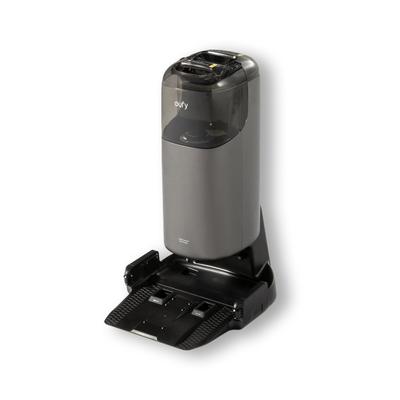
Omni Station (Low Voltage)eufy Omni Station (Low Votage) Authentic part manufactured by eufy. Compatible with X10 Pro Omni. Note: Power cord and dust bag are not included, You can purchase it through those links: Power cord: https://www.eufy.com/products/t2276111-91 Dust...335,00 $*Shipping: 0,00 $Secure redirect to the provider
-
What is low voltage?
Low voltage refers to an electrical system or device that operates at a lower voltage level than standard household or industrial power systems. In the United States, low voltage is typically defined as any voltage below 50 volts, although this can vary depending on the specific application. Low voltage systems are commonly used in electronics, telecommunications, and control systems, and they are generally considered to be safer than higher voltage systems. **
-
What does low voltage mean?
Low voltage refers to an electrical system or device that operates at a lower voltage level than the standard voltage level in a particular region. In the United States, low voltage typically refers to systems or devices that operate at 50 volts or less. Low voltage systems are generally safer to work with compared to high voltage systems, as they pose a lower risk of electric shock. **
-
Is the voltage too low?
To determine if the voltage is too low, you should first check the recommended voltage range for the specific device or equipment in question. If the voltage falls below this range, it could potentially be too low and may result in the device not functioning properly. It is important to ensure that the voltage is within the specified range to avoid any damage or malfunction. If you are unsure, it is recommended to consult with a professional electrician to assess the situation and make any necessary adjustments. **
-
What is the meaning of high voltage and low voltage?
High voltage refers to an electrical potential difference that is significantly higher than the standard voltage levels, typically above 1000 volts. It is commonly used in power transmission and distribution to reduce energy losses over long distances. On the other hand, low voltage refers to a lower electrical potential difference, usually below 1000 volts, and is commonly used in household appliances and electronics. The distinction between high voltage and low voltage is important for safety reasons and to ensure the proper functioning of electrical systems. **
Similar search terms for Omni-Station-Low-Voltage
-
S1 Pro Station (Low Voltage)S1 Pro Station 1000W (Low Votage) Product Description This listing features the S1 Pro 1000W base station, identifiable by its distinct hexagonal filter design at the bottom (as shown in product images). With enhanced suction power and optimized...539,99 $*Shipping: 0,00 $Secure redirect to the provider
-
Canon CLI‑526GY Grey Ink Cartridge – Genuine Printer Ink CartridgeAchieve smooth grayscale tones and crisp document shading with the Canon CLI‑526GY Grey Ink Cartridge , a genuine Canon consumable designed to deliver balanced grey output in compatible PIXMA printers. Ideal for photos, graphs, creative prints and professional documents where subtler contrast and tonal depth matter, this original Canon cartridge ensures reliable performance and consistent print quality every time. Key Features Original Canon Ink – Genuine Canon formulation for seamless compatibility and dependable results. Grey Ink Cartridge – Produces soft grey tones to enhance shading and subtle colour transitions. Optimised for PIXMA Printers – Designed specifically for select Canon PIXMA inkjet models for accurate installation and smooth performance. Easy, Drop‑In Replacement – Quick and simple cartridge swap keeps printing hassle‑free. Reliable Ink Flow – Stable output reduces smearing and helps maintain clarity on printed pages. Benefits The Canon CLI‑526GY Grey Ink Cartridge helps improve mid‑tone reproduction , giving your photos and colour prints a richer, more nuanced appearance. Its genuine Canon ink chemistry works hand‑in‑hand with your PIXMA printer to deliver consistent saturation and smooth gradients from page to page. Whether you’re printing professional colour graphics, creative layouts or enhanced black‑and‑white photos, this grey cartridge enhances the depth and detail of your overall output. Specification Detail Product Name Canon CLI‑526GY Grey Ink Cartridge EAN/Barcode 4960999672151 Ink Colour Grey Cartridge Type Original Canon Ink Cartridge Compatibility Select Canon PIXMA Inkjet Printers Installation Easy, Drop‑In Replacement Recommended Use Enhanced shading, grayscale photos, graphics Brand Canon13,24 £*Shipping: 0,00 £Secure redirect to the provider
-
Canon CL-546 Genuine C/M/Y Colour Ink Cartridge - PIXMA Printer CompatibleModel name CL-546 Brand Canon Ink colour Multicoloured Page yield 180 Compatible devices PIXMA COMPATIBILITY - TR4551 / TR4550 / iP2850 / MG2450 / MG2550 / MG2950 / MX495 / MG3050 / MG3051 / MG3052 / MG3053 / MG2550S / MG2555S / TS3150 / TS3151 / TS305 / TS205 / TS3350 / TS3351 / TS3352 / TS3450 / TS3451 / TS3452 / TS3355 / TR4650 / TR4651 PIXMA COMPATIBILITY - TR4551 / TR4550 / iP2850 /19,99 £*Shipping: 0,00 £Secure redirect to the provider
-
What is the difference between low voltage and high voltage?
The main difference between low voltage and high voltage is the amount of electrical potential difference between two points. Low voltage typically refers to electrical systems with a potential difference of 50-1000 volts, while high voltage refers to systems with a potential difference of 1000 volts or more. High voltage systems are used for long-distance power transmission and in industrial applications, while low voltage systems are commonly found in residential and commercial buildings for lighting, appliances, and other electrical devices. Additionally, high voltage systems require more insulation and safety precautions due to the increased risk of electrical shock and arcing. **
-
What is the maximum voltage drop in low-voltage networks?
The maximum voltage drop in low-voltage networks is typically limited to 5% of the nominal voltage. This means that for a 120V system, the maximum allowable voltage drop would be 6V (5% of 120V). This limit is set to ensure that the voltage at the end of the network is still within an acceptable range for proper operation of connected devices and equipment. Excessive voltage drop can lead to reduced performance and potential damage to electrical equipment. **
-
Should one use high-voltage or low-voltage LED lamps?
The choice between high-voltage and low-voltage LED lamps depends on the specific requirements of the lighting project. High-voltage LED lamps are typically easier to install and can cover longer distances without voltage drop issues. On the other hand, low-voltage LED lamps are more energy-efficient and safer to use in certain applications, such as outdoor lighting or areas where there is a risk of electric shock. Ultimately, it is important to consider factors such as the installation environment, energy efficiency, and safety when deciding between high-voltage and low-voltage LED lamps. **
-
How does low voltage electricity work?
Low voltage electricity works by using a power source, such as a battery or a transformer, to create a potential difference between two points. This potential difference, measured in volts, creates an electric field that can push electric charges through a circuit. The low voltage ensures that the electric current is not strong enough to cause harm to humans or damage to most electrical devices. Low voltage electricity is commonly used in household electronics, lighting, and small appliances. **
* All prices are inclusive of VAT and, if applicable, plus shipping costs. The offer information is based on the details provided by the respective shop and is updated through automated processes. Real-time updates do not occur, so deviations can occur in individual cases. ** Note: Parts of this content were created by AI.