Buy inkjetfills.com ?
We are moving the project
inkjetfills.com .
Are you interested in purchasing the domain
inkjetfills.com ?
domain@kv-gmbh.de · 0541-91531010
Buy inkjetfills.com ?
Is the SRAM brake compatible with a Shimano disc?
Yes, SRAM brakes are compatible with Shimano discs. Both SRAM and Shimano use the same standard for disc brake mounting, which is the International Standard (IS) or the post mount system. This means that the calipers of SRAM brakes can be mounted onto the same disc rotors that are designed for Shimano disc brakes. However, it is always recommended to double-check compatibility and consult with a professional if you are unsure. **
Does every Cannondale brake disc fit every brake?
No, not every Cannondale brake disc will fit every brake. Different brakes have different specifications for the size and mounting of the brake disc. It is important to ensure that the brake disc you are purchasing is compatible with the specific model and type of brake you have. Always check the manufacturer's specifications and recommendations to ensure a proper fit and safe operation. **
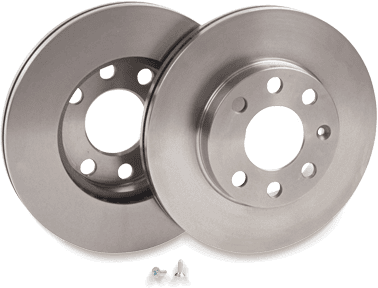
Similar search terms for KNORR-BREMSE-K184816N50-Brake-disc
Top-Angebote
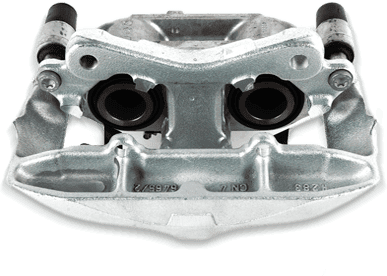
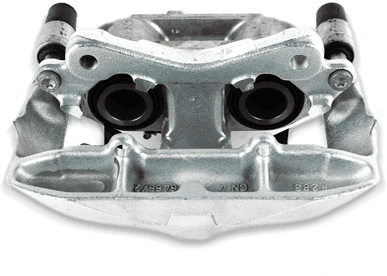
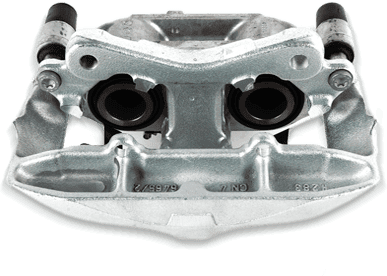
Products related to KNORR-BREMSE-K184816N50-Brake-disc:


-
What is a disc brake?
A disc brake is a type of braking system used in vehicles, bicycles, and other machinery. It consists of a metal disc (rotor) attached to the wheel, and a caliper that holds brake pads. When the brake pedal is pressed, the caliper squeezes the brake pads against the rotor, creating friction and slowing down the vehicle. Disc brakes are known for their superior stopping power and heat dissipation compared to other types of brakes, making them a popular choice for high-performance vehicles and heavy-duty applications. **
-
What is the difference between a hydraulic disc brake and a mechanical disc brake?
The main difference between a hydraulic disc brake and a mechanical disc brake is the way they transmit force from the brake lever to the caliper. Hydraulic disc brakes use fluid to transmit force, while mechanical disc brakes use a cable. This means that hydraulic disc brakes generally provide more precise and powerful braking, as well as better modulation and less maintenance. On the other hand, mechanical disc brakes are simpler and easier to adjust, making them a popular choice for entry-level or budget-conscious riders. **
-
How can one determine if the brake disc is compatible with the MTB brake system?
To determine if a brake disc is compatible with an MTB brake system, you should first check the size of the disc. Most MTB brake systems are designed to work with specific disc sizes, such as 160mm, 180mm, or 203mm. You should also check the mounting type of the disc, as some MTB brake systems are designed for either 6-bolt or center lock mounting. Additionally, consider the thickness and material of the disc, as these factors can affect the performance and compatibility with the brake system. Finally, consulting the manufacturer's specifications and recommendations for the specific brake system can also help ensure compatibility. **
-
Is the rear wheel with disc brake identical to the front wheel with disc brake?
No, the rear wheel with disc brake is not identical to the front wheel with disc brake. While both wheels have disc brakes, they are designed differently to accommodate the specific needs of the front and rear of the bike. The front wheel typically has a larger disc rotor to provide more stopping power, while the rear wheel may have a smaller disc rotor to balance braking performance with weight distribution. Additionally, the mounting and positioning of the disc brake caliper may differ between the front and rear wheels. **
Why does a brake disc glow?
A brake disc glows due to the intense heat generated during braking. When the brakes are applied, friction between the brake pads and the disc creates heat, causing the disc to reach high temperatures. This heat is a result of the conversion of kinetic energy into thermal energy. The glowing effect is a visible indication of the high temperature of the brake disc. **
Was the motorcycle brake disc swapped?
Yes, the motorcycle brake disc was swapped. The mechanic replaced the old brake disc with a new one to improve braking performance and ensure safety. This maintenance task is commonly done to maintain the efficiency and effectiveness of the braking system on a motorcycle. **
Top-Angebote
Products related to KNORR-BREMSE-K184816N50-Brake-disc:
-
KNORR-BREMSE K184816N50 Brake discFitting Position: Rear; Fitting Position: Rear Axle; Test Mark: E1190R02C01203/29155; Brake Disc Type: Vented; Brake Disc Thickness: 30; Minimum thickness [mm]: 27,8; Outer Diameter [mm]: 322; Number of Holes: 8; Supplementary Article / Supplementary Info Info 2: with ABS sensor ring; Weight [kg]: 20,7113,99 £*Shipping: 8,45 £Secure redirect to the provider
-
Is the SRAM brake compatible with a Shimano disc?
Yes, SRAM brakes are compatible with Shimano discs. Both SRAM and Shimano use the same standard for disc brake mounting, which is the International Standard (IS) or the post mount system. This means that the calipers of SRAM brakes can be mounted onto the same disc rotors that are designed for Shimano disc brakes. However, it is always recommended to double-check compatibility and consult with a professional if you are unsure. **
-
Does every Cannondale brake disc fit every brake?
No, not every Cannondale brake disc will fit every brake. Different brakes have different specifications for the size and mounting of the brake disc. It is important to ensure that the brake disc you are purchasing is compatible with the specific model and type of brake you have. Always check the manufacturer's specifications and recommendations to ensure a proper fit and safe operation. **
-
What is a disc brake?
A disc brake is a type of braking system used in vehicles, bicycles, and other machinery. It consists of a metal disc (rotor) attached to the wheel, and a caliper that holds brake pads. When the brake pedal is pressed, the caliper squeezes the brake pads against the rotor, creating friction and slowing down the vehicle. Disc brakes are known for their superior stopping power and heat dissipation compared to other types of brakes, making them a popular choice for high-performance vehicles and heavy-duty applications. **
-
What is the difference between a hydraulic disc brake and a mechanical disc brake?
The main difference between a hydraulic disc brake and a mechanical disc brake is the way they transmit force from the brake lever to the caliper. Hydraulic disc brakes use fluid to transmit force, while mechanical disc brakes use a cable. This means that hydraulic disc brakes generally provide more precise and powerful braking, as well as better modulation and less maintenance. On the other hand, mechanical disc brakes are simpler and easier to adjust, making them a popular choice for entry-level or budget-conscious riders. **
Similar search terms for KNORR-BREMSE-K184816N50-Brake-disc
-
How can one determine if the brake disc is compatible with the MTB brake system?
To determine if a brake disc is compatible with an MTB brake system, you should first check the size of the disc. Most MTB brake systems are designed to work with specific disc sizes, such as 160mm, 180mm, or 203mm. You should also check the mounting type of the disc, as some MTB brake systems are designed for either 6-bolt or center lock mounting. Additionally, consider the thickness and material of the disc, as these factors can affect the performance and compatibility with the brake system. Finally, consulting the manufacturer's specifications and recommendations for the specific brake system can also help ensure compatibility. **
-
Is the rear wheel with disc brake identical to the front wheel with disc brake?
No, the rear wheel with disc brake is not identical to the front wheel with disc brake. While both wheels have disc brakes, they are designed differently to accommodate the specific needs of the front and rear of the bike. The front wheel typically has a larger disc rotor to provide more stopping power, while the rear wheel may have a smaller disc rotor to balance braking performance with weight distribution. Additionally, the mounting and positioning of the disc brake caliper may differ between the front and rear wheels. **
-
Why does a brake disc glow?
A brake disc glows due to the intense heat generated during braking. When the brakes are applied, friction between the brake pads and the disc creates heat, causing the disc to reach high temperatures. This heat is a result of the conversion of kinetic energy into thermal energy. The glowing effect is a visible indication of the high temperature of the brake disc. **
-
Was the motorcycle brake disc swapped?
Yes, the motorcycle brake disc was swapped. The mechanic replaced the old brake disc with a new one to improve braking performance and ensure safety. This maintenance task is commonly done to maintain the efficiency and effectiveness of the braking system on a motorcycle. **
* All prices are inclusive of VAT and, if applicable, plus shipping costs. The offer information is based on the details provided by the respective shop and is updated through automated processes. Real-time updates do not occur, so deviations can occur in individual cases. ** Note: Parts of this content were created by AI.