Buy inkjetfills.com ?
We are moving the project
inkjetfills.com .
Are you interested in purchasing the domain
inkjetfills.com ?
domain@kv-gmbh.de · 0541-91531010
Buy inkjetfills.com ?
Why is the formula for copper nitrate Cu(NO3)2 and not Cu(NO3)3?
The formula for copper nitrate is Cu(NO3)2 because copper has a +2 oxidation state, meaning it can form a compound with two nitrate ions. Each nitrate ion (NO3-) carries a -1 charge, so two nitrate ions are needed to balance the +2 charge of copper. Therefore, the correct formula for copper nitrate is Cu(NO3)2. **
What does cu mean?
Cu is the chemical symbol for the element copper. It is a transition metal with a reddish-orange color and is known for its high thermal and electrical conductivity. Copper is commonly used in electrical wiring, plumbing, and as a component in various alloys. **


Similar search terms for Ifigen-Copper-Cu-Trace
Top-Angebote
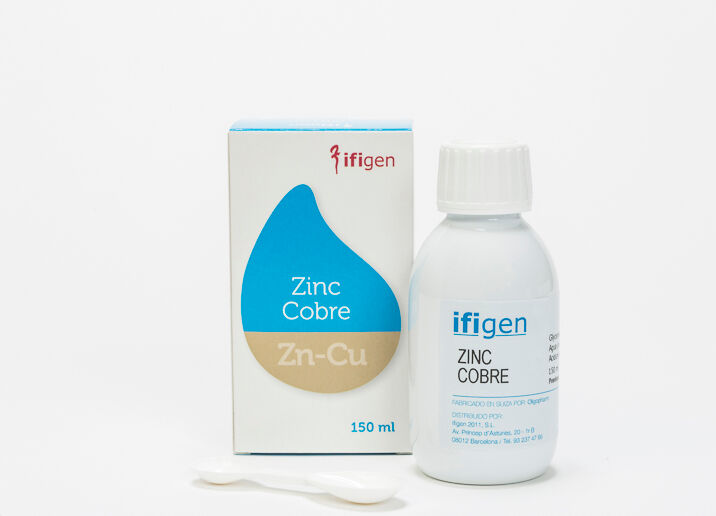
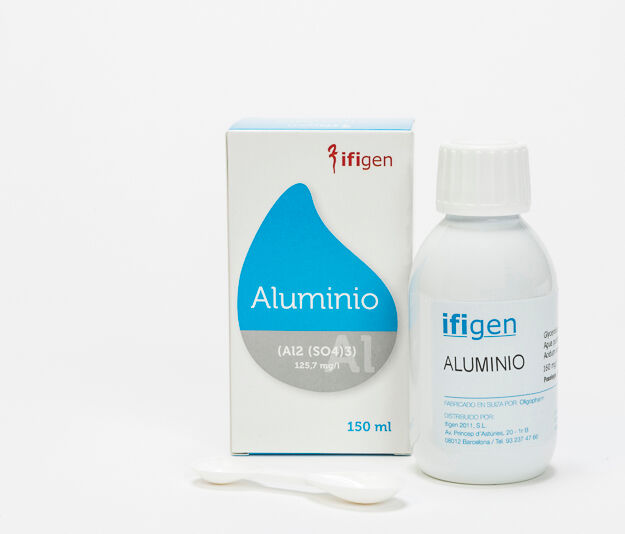
Products related to Ifigen-Copper-Cu-Trace:


-
What length does a 723 ohm copper (Cu) resistor with a cross-sectional area of 1 mm² have?
The length of the copper resistor can be calculated using the formula for resistance: R = ρ * (L/A), where R is the resistance, ρ is the resistivity of copper, L is the length, and A is the cross-sectional area. Rearranging the formula to solve for L, we get L = (R * A) / ρ. Plugging in the given values, we get L = (723 ohms * 1 mm²) / (1.68 x 10^-8 ohm*m) ≈ 4.3 x 10^4 mm or 43 meters. Therefore, the length of the copper resistor is approximately 43 meters. **
-
What is the resistance value of a 3536 m long copper conductor (Cu) with a cross-section of 6 mm?
The resistance value of a copper conductor can be calculated using the formula: R = ρ * (L/A), where R is the resistance, ρ is the resistivity of copper (1.68 x 10^-8 Ωm), L is the length of the conductor, and A is the cross-sectional area. Plugging in the given values, we get R = (1.68 x 10^-8 Ωm) * (3536 m / (6 x 10^-3 m)^2) = 0.98 Ω. Therefore, the resistance value of the 3536 m long copper conductor with a cross-section of 6 mm is 0.98 Ω. **
-
How do you calculate the pure copper concentration in mg/L and mmol/L in each experimental solution, without taking into account the Cu concentration of the prepared copper solutions?
To calculate the pure copper concentration in mg/L and mmol/L in each experimental solution without considering the Cu concentration of the prepared copper solutions, you would need to measure the total copper concentration in the experimental solution using a suitable analytical method such as atomic absorption spectroscopy or inductively coupled plasma mass spectrometry. Once you have the total copper concentration, you can subtract the known concentration of the prepared copper solution from the total concentration to obtain the concentration of pure copper in the experimental solution. Then, you can convert this concentration from mg/L to mmol/L using the molar mass of copper (63.55 g/mol). **
-
What is produced from FeSO4 and Cu?
When FeSO4 (iron(II) sulfate) and Cu (copper) are combined, a displacement reaction occurs. The iron(II) ion in FeSO4 is more reactive than the copper ion, so the iron(II) ion displaces the copper ion in the compound. As a result, copper metal is produced while iron(II) sulfate is left behind in the solution. The balanced chemical equation for this reaction is: FeSO4 + Cu → CuSO4 + Fe. **
What does 2 cu of chemistry mean?
2 cu of chemistry typically refers to 2 cubic units of a chemical substance or solution. This measurement is used to quantify the volume of a chemical that is being used in a reaction or experiment. It is important to accurately measure and use the correct amount of chemicals in order to achieve the desired results and ensure safety in the laboratory. **
What is the printer ink cartridge saving mode?
The printer ink cartridge saving mode is a feature on some printers that allows users to conserve ink by adjusting the printer settings. This mode typically reduces the amount of ink used for printing, such as by printing in draft mode or using less ink for images and graphics. By using the printer ink cartridge saving mode, users can extend the life of their ink cartridges and reduce the frequency of replacing them, ultimately saving money and reducing waste. **
Top-Angebote
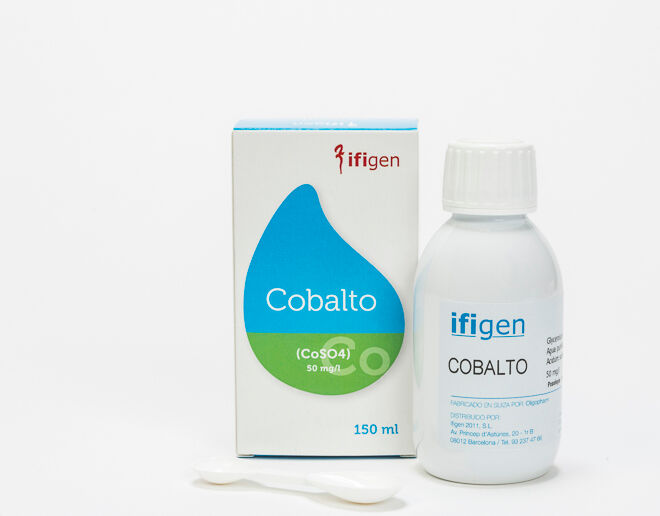
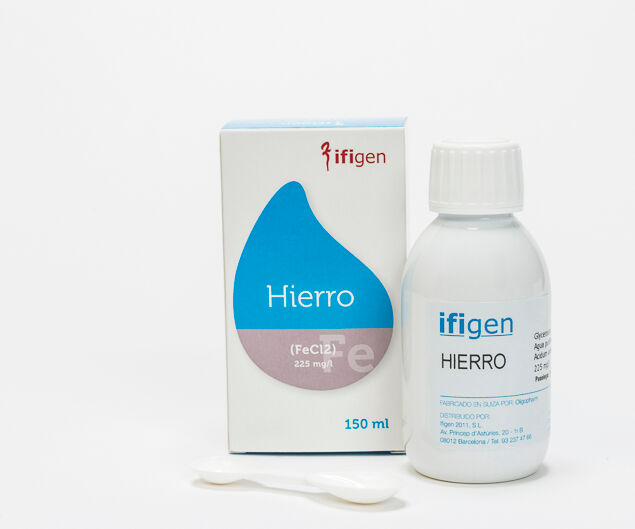
Products related to Ifigen-Copper-Cu-Trace:
-
Why is the formula for copper nitrate Cu(NO3)2 and not Cu(NO3)3?
The formula for copper nitrate is Cu(NO3)2 because copper has a +2 oxidation state, meaning it can form a compound with two nitrate ions. Each nitrate ion (NO3-) carries a -1 charge, so two nitrate ions are needed to balance the +2 charge of copper. Therefore, the correct formula for copper nitrate is Cu(NO3)2. **
-
What does cu mean?
Cu is the chemical symbol for the element copper. It is a transition metal with a reddish-orange color and is known for its high thermal and electrical conductivity. Copper is commonly used in electrical wiring, plumbing, and as a component in various alloys. **
-
What length does a 723 ohm copper (Cu) resistor with a cross-sectional area of 1 mm² have?
The length of the copper resistor can be calculated using the formula for resistance: R = ρ * (L/A), where R is the resistance, ρ is the resistivity of copper, L is the length, and A is the cross-sectional area. Rearranging the formula to solve for L, we get L = (R * A) / ρ. Plugging in the given values, we get L = (723 ohms * 1 mm²) / (1.68 x 10^-8 ohm*m) ≈ 4.3 x 10^4 mm or 43 meters. Therefore, the length of the copper resistor is approximately 43 meters. **
-
What is the resistance value of a 3536 m long copper conductor (Cu) with a cross-section of 6 mm?
The resistance value of a copper conductor can be calculated using the formula: R = ρ * (L/A), where R is the resistance, ρ is the resistivity of copper (1.68 x 10^-8 Ωm), L is the length of the conductor, and A is the cross-sectional area. Plugging in the given values, we get R = (1.68 x 10^-8 Ωm) * (3536 m / (6 x 10^-3 m)^2) = 0.98 Ω. Therefore, the resistance value of the 3536 m long copper conductor with a cross-section of 6 mm is 0.98 Ω. **
Similar search terms for Ifigen-Copper-Cu-Trace
-
How do you calculate the pure copper concentration in mg/L and mmol/L in each experimental solution, without taking into account the Cu concentration of the prepared copper solutions?
To calculate the pure copper concentration in mg/L and mmol/L in each experimental solution without considering the Cu concentration of the prepared copper solutions, you would need to measure the total copper concentration in the experimental solution using a suitable analytical method such as atomic absorption spectroscopy or inductively coupled plasma mass spectrometry. Once you have the total copper concentration, you can subtract the known concentration of the prepared copper solution from the total concentration to obtain the concentration of pure copper in the experimental solution. Then, you can convert this concentration from mg/L to mmol/L using the molar mass of copper (63.55 g/mol). **
-
What is produced from FeSO4 and Cu?
When FeSO4 (iron(II) sulfate) and Cu (copper) are combined, a displacement reaction occurs. The iron(II) ion in FeSO4 is more reactive than the copper ion, so the iron(II) ion displaces the copper ion in the compound. As a result, copper metal is produced while iron(II) sulfate is left behind in the solution. The balanced chemical equation for this reaction is: FeSO4 + Cu → CuSO4 + Fe. **
-
What does 2 cu of chemistry mean?
2 cu of chemistry typically refers to 2 cubic units of a chemical substance or solution. This measurement is used to quantify the volume of a chemical that is being used in a reaction or experiment. It is important to accurately measure and use the correct amount of chemicals in order to achieve the desired results and ensure safety in the laboratory. **
-
What is the printer ink cartridge saving mode?
The printer ink cartridge saving mode is a feature on some printers that allows users to conserve ink by adjusting the printer settings. This mode typically reduces the amount of ink used for printing, such as by printing in draft mode or using less ink for images and graphics. By using the printer ink cartridge saving mode, users can extend the life of their ink cartridges and reduce the frequency of replacing them, ultimately saving money and reducing waste. **
* All prices are inclusive of VAT and, if applicable, plus shipping costs. The offer information is based on the details provided by the respective shop and is updated through automated processes. Real-time updates do not occur, so deviations can occur in individual cases. ** Note: Parts of this content were created by AI.