Buy inkjetfills.com ?
We are moving the project
inkjetfills.com .
Are you interested in purchasing the domain
inkjetfills.com ?
domain@kv-gmbh.de · 0541-91531010
Buy inkjetfills.com ?
Should I replace this radiator hose?
If the radiator hose is showing signs of wear such as cracks, bulges, or leaks, then it is recommended to replace it. A damaged radiator hose can lead to coolant leaks, overheating of the engine, and potential engine damage. It is better to replace the hose preventatively rather than risk a breakdown or more costly repairs in the future. If you are unsure about the condition of the hose, it is best to have a mechanic inspect it for you. **
Why did the radiator hose burst?
The radiator hose likely burst due to a combination of factors such as age, wear and tear, and high pressure. Over time, the rubber in the hose can degrade and become more prone to cracking and bursting. Additionally, if the cooling system is not properly maintained and the coolant levels are not regularly checked, it can lead to overheating and increased pressure within the hose, causing it to burst. It's important to regularly inspect and replace radiator hoses to prevent unexpected failures. **
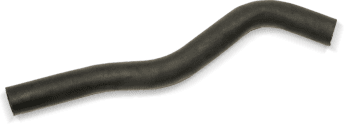
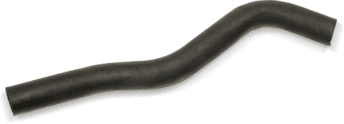
Similar search terms for CLIMTEX-CX1-120-Radiator-hose
Top-Angebote
Products related to CLIMTEX-CX1-120-Radiator-hose:

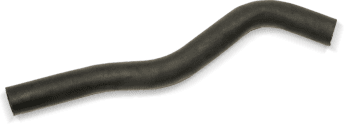

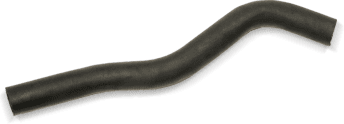
-
How can I replace a 120 mm radiator with a 240 mm radiator?
To replace a 120 mm radiator with a 240 mm radiator, you will need to ensure that your PC case has enough space to accommodate the larger radiator. You will also need to check if the new radiator is compatible with your CPU socket. Next, you will need to remove the old radiator by disconnecting the tubing and unscrewing it from the case. Finally, install the new 240 mm radiator by securing it in place, connecting the tubing, and ensuring proper thermal paste application before attaching the CPU block. **
-
"Is the radiator hose torn and leaking at the clamp?"
To determine if the radiator hose is torn and leaking at the clamp, you should visually inspect the hose for any visible tears or damage. Additionally, you can check for any signs of coolant leakage around the clamp area. If there is evidence of a tear or leak, it is important to address the issue promptly to prevent further damage to the cooling system. It may be necessary to replace the hose or tighten the clamp to resolve the issue. **
-
How do I refill water in the radiator?
To refill water in the radiator, first make sure the engine is cool. Then locate the radiator cap, which is usually on top of the radiator. Slowly twist the cap counterclockwise to open it, being careful of any built-up pressure. Once the cap is off, use a funnel to pour a mixture of water and coolant into the radiator until it reaches the top. Finally, securely tighten the radiator cap back on and check for any leaks. **
-
How do I refill antifreeze in the radiator?
To refill antifreeze in the radiator, first make sure the engine is cool. Then, locate the radiator cap and carefully remove it. Slowly pour the appropriate mixture of antifreeze and water into the radiator until it reaches the top. It's important to use the correct type of antifreeze for your vehicle, so refer to your owner's manual for guidance. Once the radiator is filled, replace the cap securely and check for any leaks. **
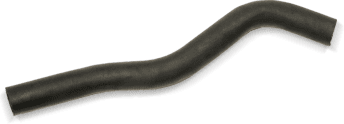

What hose is needed to refill the heating system?
To refill the heating system, you will need a garden hose. Make sure the hose is long enough to reach from an outdoor water source to the heating system's fill valve. It's important to use a clean hose that has not been used for any other purposes to avoid introducing contaminants into the heating system. Additionally, ensure that the hose is in good condition and does not have any leaks. **
How do I refill the radiator of my car?
To refill the radiator of your car, first make sure the engine is cool. Locate the radiator cap, usually found near the front of the engine compartment. Slowly twist the cap counterclockwise to open it. Pour a mixture of coolant and water into the radiator until it reaches the top. Finally, secure the radiator cap back in place and check for any leaks. **
Top-Angebote
Products related to CLIMTEX-CX1-120-Radiator-hose:
-
Should I replace this radiator hose?
If the radiator hose is showing signs of wear such as cracks, bulges, or leaks, then it is recommended to replace it. A damaged radiator hose can lead to coolant leaks, overheating of the engine, and potential engine damage. It is better to replace the hose preventatively rather than risk a breakdown or more costly repairs in the future. If you are unsure about the condition of the hose, it is best to have a mechanic inspect it for you. **
-
Why did the radiator hose burst?
The radiator hose likely burst due to a combination of factors such as age, wear and tear, and high pressure. Over time, the rubber in the hose can degrade and become more prone to cracking and bursting. Additionally, if the cooling system is not properly maintained and the coolant levels are not regularly checked, it can lead to overheating and increased pressure within the hose, causing it to burst. It's important to regularly inspect and replace radiator hoses to prevent unexpected failures. **
-
How can I replace a 120 mm radiator with a 240 mm radiator?
To replace a 120 mm radiator with a 240 mm radiator, you will need to ensure that your PC case has enough space to accommodate the larger radiator. You will also need to check if the new radiator is compatible with your CPU socket. Next, you will need to remove the old radiator by disconnecting the tubing and unscrewing it from the case. Finally, install the new 240 mm radiator by securing it in place, connecting the tubing, and ensuring proper thermal paste application before attaching the CPU block. **
-
"Is the radiator hose torn and leaking at the clamp?"
To determine if the radiator hose is torn and leaking at the clamp, you should visually inspect the hose for any visible tears or damage. Additionally, you can check for any signs of coolant leakage around the clamp area. If there is evidence of a tear or leak, it is important to address the issue promptly to prevent further damage to the cooling system. It may be necessary to replace the hose or tighten the clamp to resolve the issue. **
Similar search terms for CLIMTEX-CX1-120-Radiator-hose
-
How do I refill water in the radiator?
To refill water in the radiator, first make sure the engine is cool. Then locate the radiator cap, which is usually on top of the radiator. Slowly twist the cap counterclockwise to open it, being careful of any built-up pressure. Once the cap is off, use a funnel to pour a mixture of water and coolant into the radiator until it reaches the top. Finally, securely tighten the radiator cap back on and check for any leaks. **
-
How do I refill antifreeze in the radiator?
To refill antifreeze in the radiator, first make sure the engine is cool. Then, locate the radiator cap and carefully remove it. Slowly pour the appropriate mixture of antifreeze and water into the radiator until it reaches the top. It's important to use the correct type of antifreeze for your vehicle, so refer to your owner's manual for guidance. Once the radiator is filled, replace the cap securely and check for any leaks. **
-
What hose is needed to refill the heating system?
To refill the heating system, you will need a garden hose. Make sure the hose is long enough to reach from an outdoor water source to the heating system's fill valve. It's important to use a clean hose that has not been used for any other purposes to avoid introducing contaminants into the heating system. Additionally, ensure that the hose is in good condition and does not have any leaks. **
-
How do I refill the radiator of my car?
To refill the radiator of your car, first make sure the engine is cool. Locate the radiator cap, usually found near the front of the engine compartment. Slowly twist the cap counterclockwise to open it. Pour a mixture of coolant and water into the radiator until it reaches the top. Finally, secure the radiator cap back in place and check for any leaks. **
* All prices are inclusive of VAT and, if applicable, plus shipping costs. The offer information is based on the details provided by the respective shop and is updated through automated processes. Real-time updates do not occur, so deviations can occur in individual cases. ** Note: Parts of this content were created by AI.